Saline guides · Part 1 of 2
What saline does in eye care
How eyewash, contact lens saline and eye drops differ, with FDA lens-care guidance and first aid for a chemical splash.
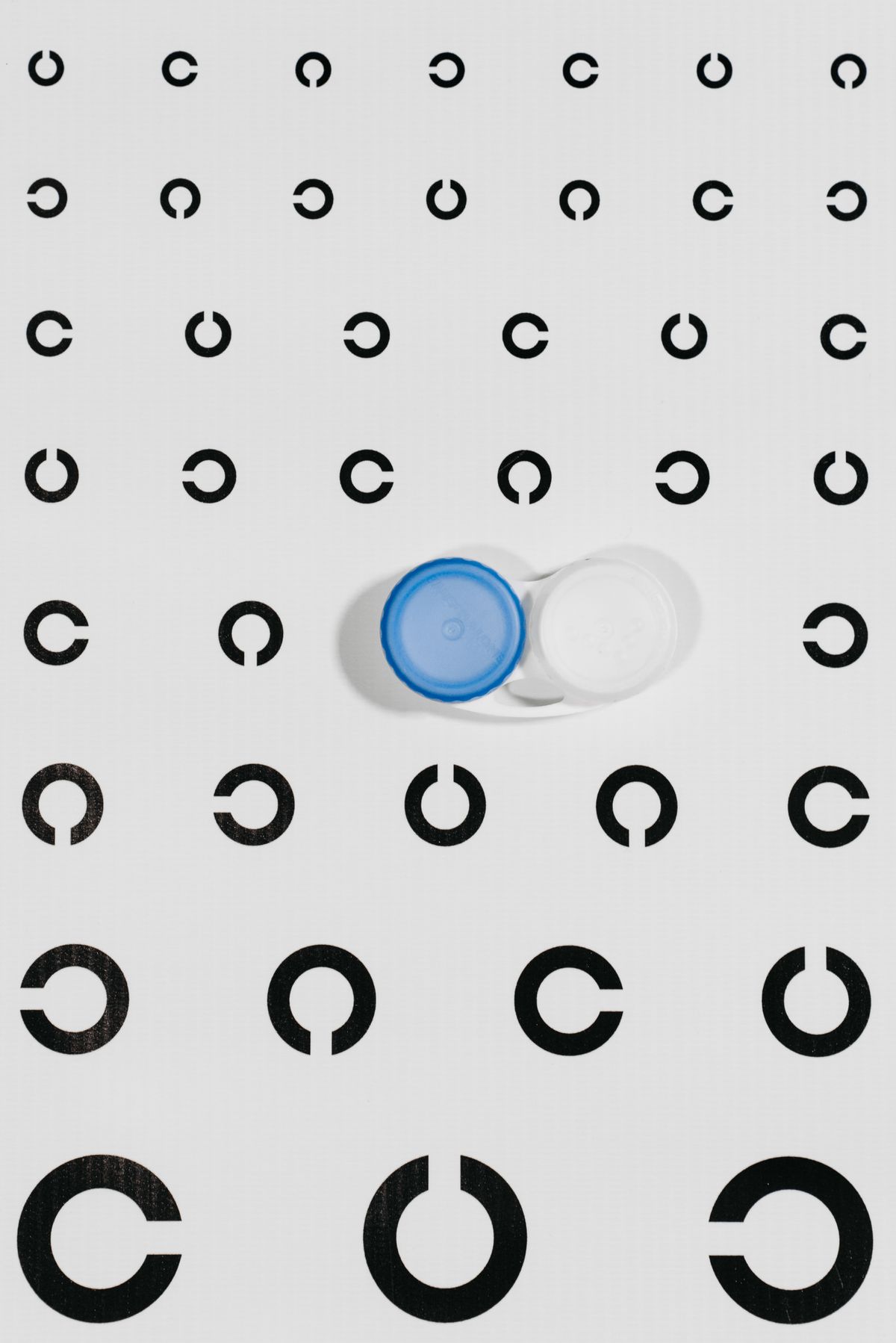
Eyewash, contact lens rinse and eye drops
A bottle marked “saline” still leaves a question unanswered. What is this product meant to rinse? A sterile eyewash is labeled for irrigating the eye. A contact lens saline may be labeled for rinsing compatible lenses. A lubricating eye drop has its own instructions for use. Start with the task, then read the intended use on the package.
A lens rinse is one step in lens care
The FDA advises following the lens care routine recommended by your eye care professional. If that routine includes rinsing with sterile lens saline, use the compatible solution indicated for the lens. Lens saline does not disinfect lenses. Use the specified disinfecting or multipurpose solution for the cleaning and disinfection steps. Keep lenses away from tap water and homemade saline.
Look past the concentration
Two sterile products can both say 0.9% sodium chloride and have different uses. Look for the eye or lens directions on the product itself and check any discard date after opening. The published Steralis Labs 0.9% ampoule directions list nasal care, small wound rinsing and piercing care. Choose a separately labeled eye or contact lens product for those tasks.
Bring the exact lens brand and solution name to your eye care professional if you are unsure about compatibility. Even a photograph of the front and back of the packaging can help. The second page explains why a chemical splash is a different situation and what to check when you replace a lens care product.
Sources and instructions
- FDA contact lens solutions and products
- Poison Control guidance for chemical splashes in the eye
- Steralis Labs 0.9% instructions
AI-assisted editorial article published by Steralis Labs, which sells saline products.